
 Rasika Karkare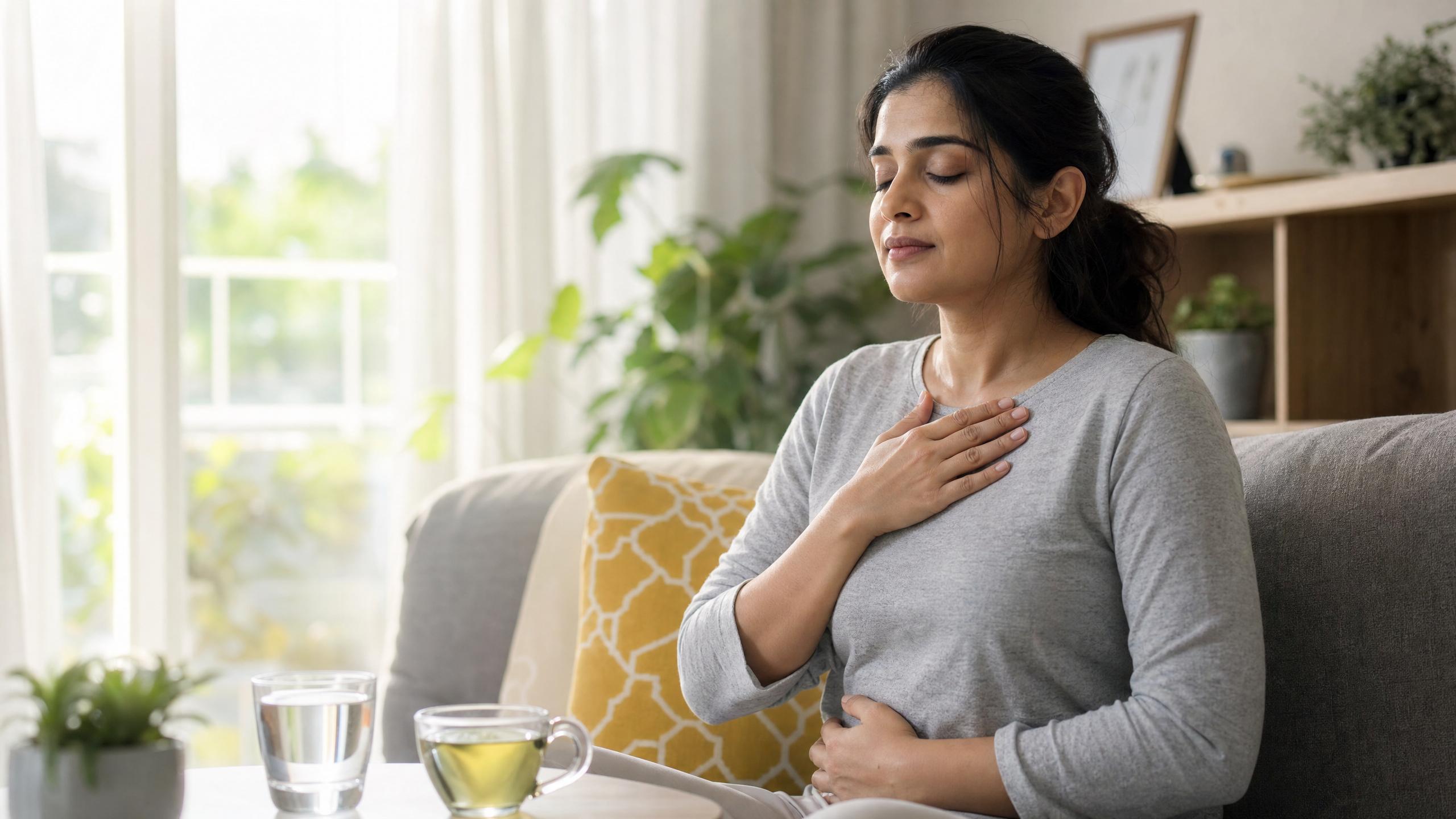
Anxiety is a common experience for almost everyone, but did you know it doesn't just affect your mind? It can also show up in your body in surprising and uncomfortable ways. From a racing heart to tight muscles, shortness of breath, jaw clenching, and even nagging back pain, the physical symptoms of anxiety can be just as distressing as the emotional ones. The good news is that these symptoms are manageable with the right techniques and self-care strategies. In this article, we'll explore common physical symptoms of anxiety and practical ways to deal with them.
Understanding the Mind-Body Connection of Anxiety
Anxiety is primarily a mental health condition characterised by persistent fear and worry, typically disproportionate to the situation, but it impacts our bodies as well. When you are anxious, your body goes into a fight-or-flight response to stress. Thus, your muscles are tense and are on high alert to respond to any upcoming situation or threat. While this is quite natural for some time, an extended time in the fight-or-flight response causes fatigue. Imagine your muscles always being tight and not getting enough rest. Over time, this fatigue leads to muscle tension, pain, and a range of physical symptoms.
While the obvious physical signs of anxiety include shortness of breath and sweating, anxiety can cause subtle physical symptoms as well, including stomach aches, headaches, muscle tension, heart palpitations, jaw clenching, and back pain.
Anxiety-Induced Muscle Tension
Muscle tension is when the body's muscles feel locked and remain contracted for a long time. When muscles are tense, they may feel tight, rigid, or sore. This can lead to dull or sharp shooting pains in different body parts, including the neck, shoulders, back, and jaw.
Chronic muscle tension can lead to discomfort, pain, and a range of physical symptoms. It may contribute to conditions such as tension headaches, migraines, and muscle pain. In addition, persistent physical pain can increase anxiety over time, creating a cycle that negatively impacts both physical and mental well-being.
Duration of Anxiety-Induced Muscle Tension
Muscle tension from anxiety can last for varied amounts of time, depending on various factors. The most influential factors are the type of anxiety and the severity of anxiety symptoms. Usually, muscle tensions caused by short episodes of anxiety tend to disappear once the stressful event is over, as the body is likely to return to a normal state afterwards. However, for people experiencing chronic or generalized anxiety, muscle tension may last for extended periods, ranging from a few minutes to even a few days.
The duration of muscle tension also depends on factors such as a person's overall physical health and present coping mechanisms. Additionally, any pre-existing conditions, including musculoskeletal issues, may influence the duration and intensity of anxiety-induced muscle tension.
Overcoming Anxiety-Induced Muscle Tension
While the best way to deal with muscle tension due to anxiety is to work with the anxiety by itself, there are techniques one can use to reduce muscle tension. They are:
Hot Shower
A hot shower can help relax tensed muscles, resulting in a sense of calm throughout the body. If showering isn't an option, you can consider applying a hot compress to tense areas. The heat helps increase blood flow to the muscles.
Massage
Getting a massage can be an effective way to release muscle tension. Massage can help relax tensed muscles by increasing blood circulation. Additionally, it may also release locked areas.
Physical Exercise
Physical exercises like gentle stretches or yoga can help reduce stiffness in the muscles. Additionally, yoga has also been proven to be effective in reducing stress and anxiety in the long run. Not only yoga, but mild forms of exercise can also improve anxiety symptoms in the long run.
Progressive Muscle Relaxation
Progressive muscle relaxation is a proven technique with physical and mental health benefits. It involves gently tensing each group of muscles in the body, starting from the head and going to the toes, and then slowly releasing the tension.
Shortness of Breath From Anxiety
Many people believe that if they are experiencing shortness of breath, there must be a physical reason behind it. However, our mental health significantly impacts how our body reacts physically. Anxiety causes shortness of breath because it activates the fight or flight response in the body. Although it is extremely common, shortness of breath due to anxiety can be a distressing experience, but several techniques can help manage and reduce this symptom.
Deep Breathing Exercises
Breathing exercises are one of the most effective & underrated ways to address anxiety-related shortness of breath. These exercises allow you to take control of your breathing, which also helps regulate your heart rate. Research suggests that diaphragmatic breathing, or belly breathing, is a good deep breathing exercise to reduce shortness of breath. Here is how you can practice it:
- Sit straight and comfortably or lie down
- Place one hand on your chest and the other on your abdomen
- Inhale slowly through your nose and feel your stomach expand
- Exhale gently through your nose or mouth while feeling your stomach contract
- Keep practicing this until you feel a sense of relaxation.
Deep breathing helps regulate the autonomic nervous system, promoting a calming response.
Grounding Exercises
Anxiety-producing thoughts may occasionally result in shortness of breath. Grounding exercises are a useful way to focus your attention on the present moment while redirecting attention away from anxious thoughts. A few ways to practice grounding are:
- Focusing on an object and describing it in detail
- Imagining your favourite place in detail
- Remembering a recent positive memory
- Engaging your senses by smelling something good or listening to soothing music
Practice Positive Affirmations
Shortness of breath due to anxiety can make you feel uncomfortable. It can feel as if things are out of control and that you are unsafe. At such times, it is important to talk to yourself in kinder and healthier ways to manage the difficult experience. A research study conducted in 2016 suggests that talking to yourself positively helps reduce anxiety. Reduced anxiety will help you regulate your breathing as well. A few examples of positive affirmations are:
- I am safe
- I am handling this well
- As I breathe, I am more calm and relaxed.
Identify Your Triggers
Identifying your triggers is one of the most important ways to manage anxiety-related shortness of breath. When you are aware of your triggers or anxiety-provoking situations, you can make plans to manage them in better ways. Regular journaling is one way to keep track of triggers for anxiety.
Heart Palpitations Caused By Anxiety
Have you had situations where you have felt your heart beating faster than normal as you get ready to face a difficult situation? If yes, you are not alone. Anxiety-induced palpitations are a normal experience, but they can be quite distressing and uncomfortable when they occur. The good news is that anxiety-induced palpitations are generally harmless and can be managed with the use of various techniques. Let's look at a few of them:
Identify the Source of Anxiety
Before we start dealing with anxiety, the first step is to identify the source of anxiety. Is it an upcoming deadline or a difficult conversation you might need to have? Identifying the source might help you prepare better for the situation, which can help reduce anxiety and palpitations. Journaling in a diary or on a notes app can help with the source of anxiety.
Start With Deep Breaths
Anxiety often leads to shallow breathing, which can lead to palpitations. So, one of the quickest ways to manage heart palpitations in these situations is to take long, deep breaths. Start inhaling with your nose and count to four, later release the breath through your mouth. This increases blood and oxygen flow, regulating the body and reducing palpitations.
Practice Grounding Techniques
Another simple yet effective way to reduce anxiety is to practice grounding techniques. Grounding helps to engage your senses and bring your attention back to the present moment, which helps reduce anxiety. Practice the "5-4-3-2-1" technique- name five things you see, four you can touch, three you can hear, two you can smell, and one you can taste. This helps shift your focus to the present.
Check In With Your Body
Sometimes, attending to your body can help reduce palpitations and anxiety. Gently check in with your body to see if you are well hydrated, well-rested and if you are feeling hungry. Many times, unmet physiological needs can trigger or worsen palpitations, and these sensations might reduce or even completely calm down when physiological needs are met.
Talk to a Friend
If anxiety and palpitations feel overwhelming, you can consider reaching out to someone you trust, like a friend. A friend can offer emotional support and validation, helping you to regulate your body and restore a sense of safety, reducing anxiety and palpitations.
Avoid Stimulants
Stimulants, beverages, cigarettes, and energy drinks can all increase your heart rate and worsen anxiety. If you're prone to palpitations, consider limiting or avoiding these triggers, especially during stressful times. Instead, consider something that soothes your system, such as herbal tea or simple warm water.
Regular Exercise
While it may sound counterintuitive, especially when you are palpitating, regular exercise such as walking can be a natural stress reliever. Moving your body helps regulate adrenaline, improve sleep, and ease anxiety symptoms—including palpitations. It doesn't have to be anything heavy but light exercise can help as well.
Back Pain From Anxiety
What symptoms come to your mind when you hear the word anxiety? Maybe you think of a racing heart, sweaty palms and overthinking, but did you know that anxiety can have a deeper impact on your body and show up in the form of persistent, nagging back pain? Yes, you heard it right. There is a strong connection between our anxiety and our bodies.
How to Deal With Back Pain From Anxiety?
Start With Gentle Exercises
The first step you can consider taking to relieve your back pain is to get some exercise. This doesn't mean lifting weights or hitting the gym, but starting with something gentle, like taking a walk or stretching your back every few hours. You can even consider doing some yoga. The idea is to break the sedentary lifestyle. Additionally, exercise also releases endorphins (the body's natural painkillers) that can help reduce stress.
Use a Heat Press and Massage
Using a hot-water compress for 10-15 minutes every few hours can relax your back muscles and reduce pain. Additionally, receiving a massage can help release muscle tightness or knots in the back, thereby increasing blood flow. The increased blood flow will reduce pain over time.
Get Intentional With Self-Care
If your back pain is caused by anxiety, chances are that exercise alone may not be enough, because anxiety frequently requires lifestyle changes. This could include consciously scheduling time for your hobbies, taking regular breaks, eating healthy meals at the appropriate times, and even getting a full night's sleep. So, consciously start keeping time for your rest. Getting a good rest will enhance your productivity in the long run.
Challenge Negative Thoughts
Anxiety is often sustained by negative or unhelpful thoughts, mostly starting with 'what if?" While these thoughts are occasionally normal, they can lead to serious fear over time. Thus, practice regular journaling to increase awareness of your negative thinking patterns and replace them with realistic thoughts. This will help address the root of anxiety.
Jaw Tension From Anxiety
Do you ever notice your jaw tightening or clenching when you are stressed or anxious? If so, you are not alone. Anxiety is not just a feeling, but it also shows up in your body in the form of muscle tensions, aches and pains, with the jaw being one of the most affected areas. This jaw pain from anxiety can start as a minor inconvenience, but when left untreated, it can spiral into serious discomfort.
How Does Anxiety Cause Jaw Tension?
During the fight-or-flight state, your muscles, including the jaw, tense in anticipation and alertness to the threat. Many people clench or grind their teeth sometimes without realizing it, especially at night.
Over time, this strain can exhaust the temporomandibular joint (TMJ) and the surrounding muscles, leading to pains, tensions and difficulties in activities such as chewing or eating.
Overcoming Jaw Tension From Anxiety
Dealing with jaw tension from anxiety requires a comprehensive approach to pain and anxiety management techniques. Let's look at a few steps for the same.
Jaw Stretching Exercises
Begin with gentle stretching exercises for your jaw, such as opening and closing your mouth slowly while resting your tongue behind your upper teeth to relax your jaw. You can also try the goldfish exercise by placing a finger on your jaw hinge (TMJ) and dropping your jaw like a goldfish. Doing these several times a day can help release built-up tension.
Apply Hot and Cold Compress
Applying a hot water compress can be quite soothing. Heat relaxes stiff muscles while also reducing any swelling that occurs from long-term clenching. A cold compress might also be useful to numb the affected area and reduce pain. Using them alternatively for 10-15 minutes can help with quick recovery.
Use a Mouthguard
If your jaw tension is worsened by teeth grinding at night, a dentist-recommended mouthguard can help protect your teeth and ease jaw pressure while you sleep.
Gentle Massage
Gently massaging your jaw muscles, temples and area under the ears in circular motions with your fingertips or even a facial roller can reduce discomfort.
Holistic Practices That Help All Physical Symptoms of Anxiety
While each physical symptom of anxiety has its specific remedies, there are some practices that benefit the body and mind as a whole.
Mindfulness and Progressive Muscle Relaxation
Mindfulness involves observing your thoughts and body sensations without judgment. It can be an incredibly powerful technique to manage anxious thoughts and reduce their power. Progressive Muscle Relaxation (PMR) is a relaxation technique that involves tensing different muscles in your body and holding that tension for 3 to 5 breaths before slowly relaxing the muscles. Starting from your toes, slowly tense each muscle in your body, and hold the tension for a few seconds before releasing. Gradually keep moving up to your legs, stomach, and hands until you reach the head. Keep taking deep breaths while relaxing your muscles. Research suggests that Progressive Muscle Relaxation (PMR) combined with deep breathing can reduce stress. You can find guided tapes of PMR on YouTube or certain dedicated apps. Regular practice of mindfulness and PMR can reduce both pain and anxiety.
Lifestyle Changes
Quite often, anxiety and physical symptoms are worsened by a lack of self-care. Thus, lifestyle changes such as daily exercise, a healthy diet and maintaining a good sleep schedule can help reduce anxiety. Developing healthy hobbies such as spending time in nature, journaling and yoga can help with stress, working on the root cause of physical symptoms.
Seek Therapy and Medication if Needed
If anxiety and its physical symptoms persist even after all your attempts, and become more frequent or unmanageable, consider seeking help from a therapist. A therapist can help you with coping techniques to manage anxiety. A therapist trained in anxiety and somatic work can help you find the root cause of anxiety, challenge negative thoughts, and even develop a better mind-body connection to heal physical symptoms. If you need additional support, consider reaching out to a psychiatrist to seek medication, but only if the situation becomes too overwhelming.
When to Seek Help?
If physical symptoms such as jaw pain, back pain, palpitations, or shortness of breath worsen and interfere with your daily life, it might be helpful to consult a medical professional. If anxiety turns out to be the root cause, you can consider consulting a trained mental health therapist for tools and techniques to overcome anxiety.
Conclusion
Anxiety doesn't just impact your mind but also your body. It can show up as muscle tension, shortness of breath, heart palpitations, back pain, jaw clenching, and more. Treating anxiety-induced physical symptoms requires a holistic approach involving both the mind and the body.
Techniques such as deep breathing, grounding, mindfulness, and progressive muscle relaxation alongside self-care, regular journaling, hot and cold compresses, gentle exercise, and lifestyle changes can help you reduce both anxiety and its physical manifestations. With patience, consistent self-care, and appropriate professional support when needed, you can find relief and reclaim a sense of well-being over time.
References
- Anxiety And Jaw Clenching Are Connected—QuickSplint®. (2022, June 14). https://quicksplint.com/resources/anxiety-and-jaw-clenching-are-connected/
- Anxiety As The Cause Of Muscle Tension. (n.d.). Retrieved January 11, 2024, from https://www.calmclinic.com/anxiety/signs/muscle-tension
- Aylett, E., Small, N., & Bower, P. (2018). Exercise in the treatment of clinical anxiety in general practice – a systematic review and meta-analysis. BMC Health Services Research, 18(1), 559. https://doi.org/10.1186/s12913-018-3313-5
- Back Pain and Anxiety: Learning How to Relief the Discomfort. (n.d.). @Medanta. Retrieved August 1, 2025, from https://www.medanta.org/patient-education-blog/back-pain-and-anxiety-breaking-the-cycle-of-discomfort
- Can Anxiety Cause Shortness of Breath? (2021, August 17). Psych Central. https://psychcentral.com/anxiety/can-anxiety-cause-shortness-of-breath
- Cascio, C. N., O'Donnell, M. B., Tinney, F. J., Lieberman, M. D., Taylor, S. E., Strecher, V. J., & Falk, E. B. (2016). Self-affirmation activates brain systems associated with self-related processing and reward and is reinforced by future orientation. Social Cognitive and Affective Neuroscience, 11(4), 621–629. https://doi.org/10.1093/scan/nsv136
- Does anxiety have you clenching your jaw? 12 tips to help. (n.d.). Calm Blog. Retrieved September 12, 2025, from https://blog.calm.com/blog/jaw-clenching-anxiety
- Easing TMJ Pain: The Benefits of Heat & Cold Therapy | John A. Garza DDS, LVIF, FIAPA, BSC. (2023, February 8). https://johnagarzadds.com/should-you-ice-tmj/
- Easy tips to relieve stress-related neck and back pain | Back and Spine | Brain | Rehabilitation | UT Southwestern Medical Center. (n.d.). Retrieved August 1, 2025, from https://utswmed.org/medblog/stress-back-pain/
- Hamasaki, H. (2020). Effects of Diaphragmatic Breathing on Health: A Narrative Review. Medicines, 7(10), 65. https://doi.org/10.3390/medicines7100065
- How to do progressive muscle relaxation for anxiety. (n.d.). Anxiety Canada. Retrieved January 11, 2024, from https://www.anxietycanada.com/articles/how-to-do-progressive-muscle-relaxation/
- How to stop heart palpitations: 7 home remedies and tips. (2020, January 9). https://www.medicalnewstoday.com/articles/321541
- How to tell if shortness of breath is from anxiety. (2020, August 18). https://www.medicalnewstoday.com/articles/326831
- Living with Anxiety: 6 Tips to Relieve Neck and Muscle Tension. (2021, November 19). Psych Central. https://psychcentral.com/anxiety/relieve-tension-in-neck-and-shoulders-from-anxiety
- Ltd, H. P. (2021, October 26). How To Manage Anxiety-Induced Heart Palpitations. HealthMatch. https://healthmatch.io/anxiety/how-to-manage-anxiety-heart-palpitations
- Muscle Tension, Stress, And Anxiety: How Can I Heal? | BetterHelp. (n.d.). Retrieved January 11, 2024, from https://www.betterhelp.com
- Should I Worry About Heart Palpitations From Anxiety? (n.d.). Cleveland Clinic. Retrieved April 29, 2025, from https://my.clevelandclinic.org/health/diseases/21677-heart-palpitations-and-anxiety
- Stress and Back Pain: What's the Relationship? (2023, April 19). Healthline. https://www.healthline.com/health/stress/can-stress-cause-back-pain
- Сalmerry. (2023, January 31). Shortness of Breath and Anxiety: Causes, Symptoms, Treatment. https://calmerry.com/blog/anxiety/why-anxiety-can-cause-shortness-of-breath-how-to-treat-it/