
 Rasika Karkare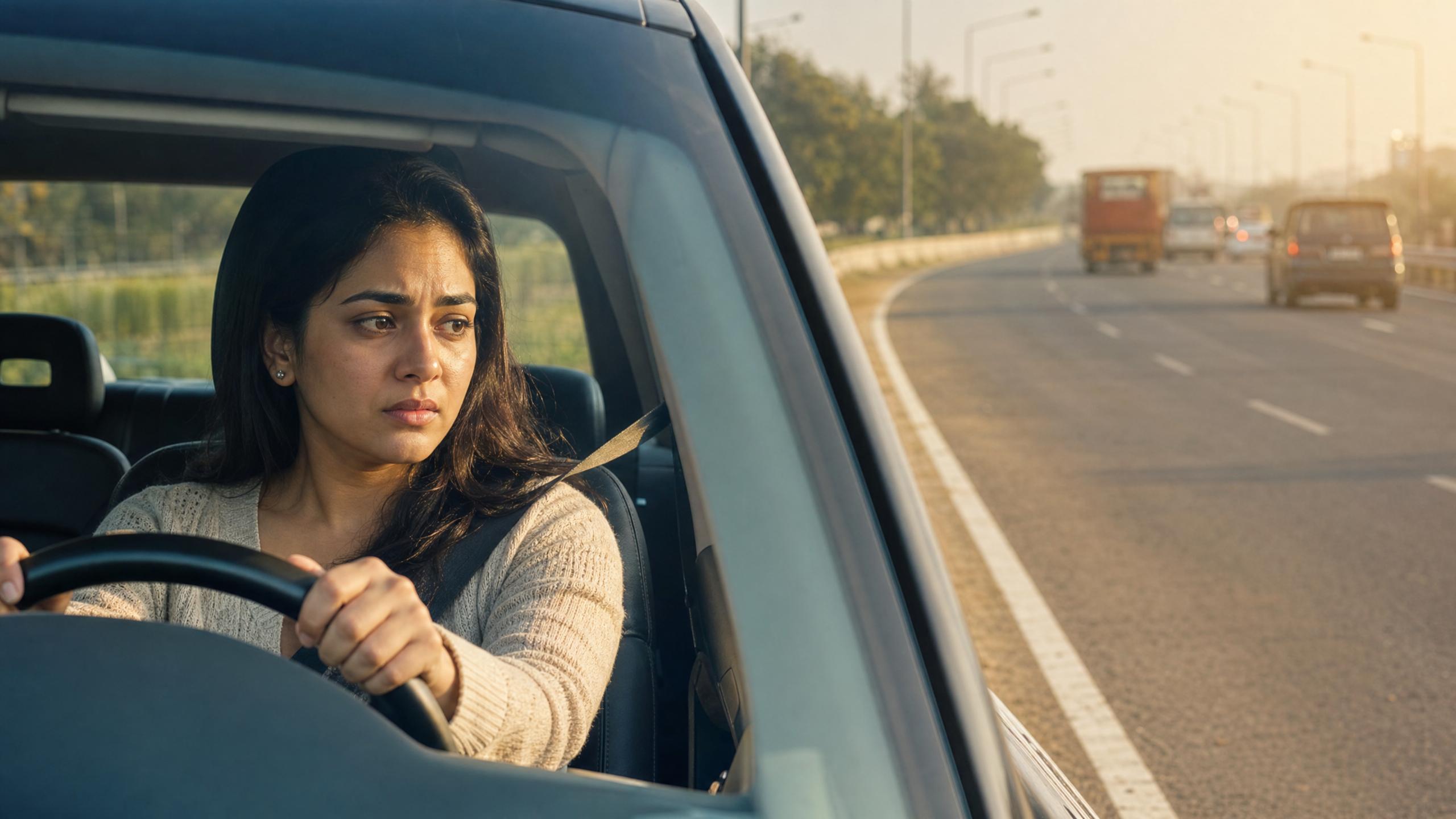
Experiencing a car accident or even the thought of navigating a busy highway can be deeply distressing. Driving anxiety is a common struggle that can shake your self-belief and confidence, whether it stems from a traumatic crash or the overwhelming nature of fast-moving traffic. The good news is that this fear doesn't have to limit your life. In this article, we'll explore how to overcome driving anxiety after an accident and how to gently build confidence when driving on highways.
How to Get Over Driving Anxiety After An Accident
Experiencing a car accident can be deeply distressing and even traumatic. It's not just about the physical damage or injuries, but it can leave a long-lasting psychological impact, shaking your self-belief and confidence. Many people even find themselves struggling with fear and anxiety just at the thought of driving again after an accident. If you are struggling with this, know that you are not alone. Below are a few ways you can not only start driving but also reclaim your confidence behind the wheel.
Acknowledge your anxiety
The first step to dealing with driving anxiety after an accident is to acknowledge that it is not irrational or that you are not 'too weak or sensitive.' You are having a natural reaction after your mind and body experienced a deeply threatening situation.
This anxiety is a result of your body trying to protect you from a similar experience again. Avoiding driving situations or trying to avoid anxiety in itself can make it worse. So, give yourself some space and time to feel the fear without being critical.
Start as a passenger
Getting back into the car doesn't mean you have to start driving immediately. You can begin by sitting beside someone while they drive. This will ease your mind back into the experience of being in the car and on the road without overwhelming your mind. The more you sit beside someone else, the more your mind will start feeling safe with cars again.
Ask someone for support
When you do decide to drive again, don't force yourself to do it alone. Ask a friend, partner or loved one to accompany you so that they can offer verbal encouragement, a hug or just a space to talk during your initial drives. Sometimes, having a calming voice and presence with you can be incredibly helpful.
Practice grounding techniques
Anxiety often feels unsafe in the body, leading to symptoms such as sweating, shortness of breath, etc. In such times, deep breathing and grounding techniques such as listening to music, smelling something pleasant or just focusing on things in your environment can help you stay in the present moment. Click here to know more about grounding techniques.
Begin with empty roads
When you start driving, don't rush into traffic-prone or crowded areas; instead, pick familiar roads and drive during rush-free hours. Also, start with short 5-10 minute drives around nearby areas at slow speeds. This will allow you to ease and settle into driving. You can increase driving speed and duration as your confidence rises.
Take a driving course
If you feel the need for additional support, consider taking a professional driving course. A driving instructor can help you regain your confidence and refresh your driving skills. A driving course is typically structured in a way to encourage confidence in small steps. Thus, it can help you get back into driving.
Talk to a therapist
As was previously mentioned, an accident can cause trauma and distress. You may occasionally experience severe anxiety and flashbacks that begin to interfere with your day-to-day functioning. In such situations, you can consider consulting a therapist trained in anxiety, phobias and trauma. A therapist can help you talk through overwhelming emotions and also give you tools to manage anxiety.
How To Overcome Fear of Driving on Highway
Does the thought of driving through traffic-filled lanes, crossing large trucks or driving through large stretches without an exit make you anxious? If yes, you are not alone. Many people tend to struggle with anxiety and fear around driving on highways. However, the good news is that this fear does not have to limit your life or your ability to enjoy long drives. Below are a few ways that can help you gently gain confidence in highway driving.
Acknowledge your fear
Sometimes the first step to overcoming any kind of fear is to acknowledge that you are feeling it. Many people try to get over their anxiety by just avoiding the trigger, which worsens it in the long run.
Many drivers feel anxious during initial rides on a highway because highways are more open and traffic-prone without speed breakers as compared to other roads. Allow yourself to feel nervous or anxious without judgment. This helps you navigate it with compassion without criticism.
Visualise your drive
Visualisation is one of the most powerful techniques to overcome anxiety. Before actually getting on the highway, try visualizing a successful drive. Imagine sitting in your car and driving calmly at a comfortable speed as you cross the highway traffic with your favourite song playing in the background. This step not only helps you plan your drive but also creates a positive experience to increase safety in your body.
You can also try a driving simulator if it is available and feels comfortable to give your mind and body an experience of highway driving.
Drive with a supportive person
If driving alone on the highway causes anxiety, consider having a supportive friend or family member in the passenger seat. Having a calm person around you can offer encouragement and comfort, especially in your initial drives. They can also offer reassurance in times of panic.
Start slowly
You don't have to start driving through the highway traffic at top speed immediately; instead, set realistic targets. Start on the highway when there is relatively low traffic with moderate speed. Consider practicing for 10-15 minutes every day until you feel confident. The goal is to build your skills and not to force you into uncomfortable situations.
Challenge negative thoughts
One of the most common reasons for highway anxiety is negative thoughts like, What happens if I am not able to drive?, and What if I get into an accident? Or what if I lose control? Notice these thoughts and gently challenge them. Ask yourself, do I have any evidence for this thought? Replace these thoughts with realistic thoughts like, I can always take a stop if I need one while I drive, or I can drive at a decent speed and follow all traffic rules to ensure my safety.
Keep a relaxed environment
Your environment plays a key role in your mood while you drive. Play some calming music, wear comfortable clothes and have your seatbelt well adjusted as you drive. Also, ensure that you have a soothing air freshener in the car. The goal is to create an atmosphere that calms your body and mind to focus on the drive.
Take a driving course
If you feel that you need more skills to drive on the highway, a structured driving course with a trained driving instructor can help. Driving courses are structured to build confidence while also giving you an overview of different experiences you might face while driving on the highway. Knowing how to react in different highway scenarios reduces the fear of the unknown.
Talk to a therapist
If the fear of driving on highways feels overwhelming or is linked to a traumatic experience, consulting a therapist trained in anxiety and phobias can help. A therapist can offer support and tools to process any traumatic emotions while also providing skills and techniques to manage fear and anxiety while driving. CBT and ERP are the most effective therapies to treat highway anxiety.
Conclusion
Driving again after an accident or facing the highway can feel overwhelming, and it is okay. It is normal to feel a sense of anxiety in these situations. Having said that, it is also important to take small steps to overcome this fear. You can start by acknowledging your anxiety, asking for support, using visualisation, and gradually exposing yourself to driving on empty roads before progressing to highways. The key is to help your mind and body feel safe behind the wheel again. Healing may take time, but it's possible; you just have to be kind and patient with yourself throughout the process.
References
Curtis, R. (2024, April 16). Overcoming anxiety after a car accident: Symptoms, causes, and legal options. Curtis Legal Group. https://curtislegalgroup.com/news/scared-to-drive-after-car-accident/
Dolman Law Group. (2023, February 21). Treating post-accident vehophobia. Dolman Law Group. https://www.dolmanlaw.com/blog/treating-post-accident-vehophobia-fear-driving/
Ph.D, J. A. (2024, January 23). Understanding the fear of driving – and how to overcome it. https://manhattancbt.com/fear-driving/
Smith System Driver Improvement Institute, Inc. (n.d.). 7 tips for overcoming driving anxiety after a crash. Retrieved July 28, 2025, from https://www.smith-system.com/blog/2022-11-09-7-tips-for-overcoming-driving-anxiety-after-a-crash
Why highway driving anxiety happens and how to cope. (n.d.). Psychology Today. Retrieved July 29, 2025, from https://www.psychologytoday.com/us/blog/am-i-dying/202410/why-highway-driving-anxiety-happens-and-how-to-cope
www.rtor.org, G. A. for. (2019, January 22). Freeway phobia | Driving anxiety. https://www.rtor.org/2019/01/22/top-10-things-about-freeway-phobia/