
 Parul Pushkarna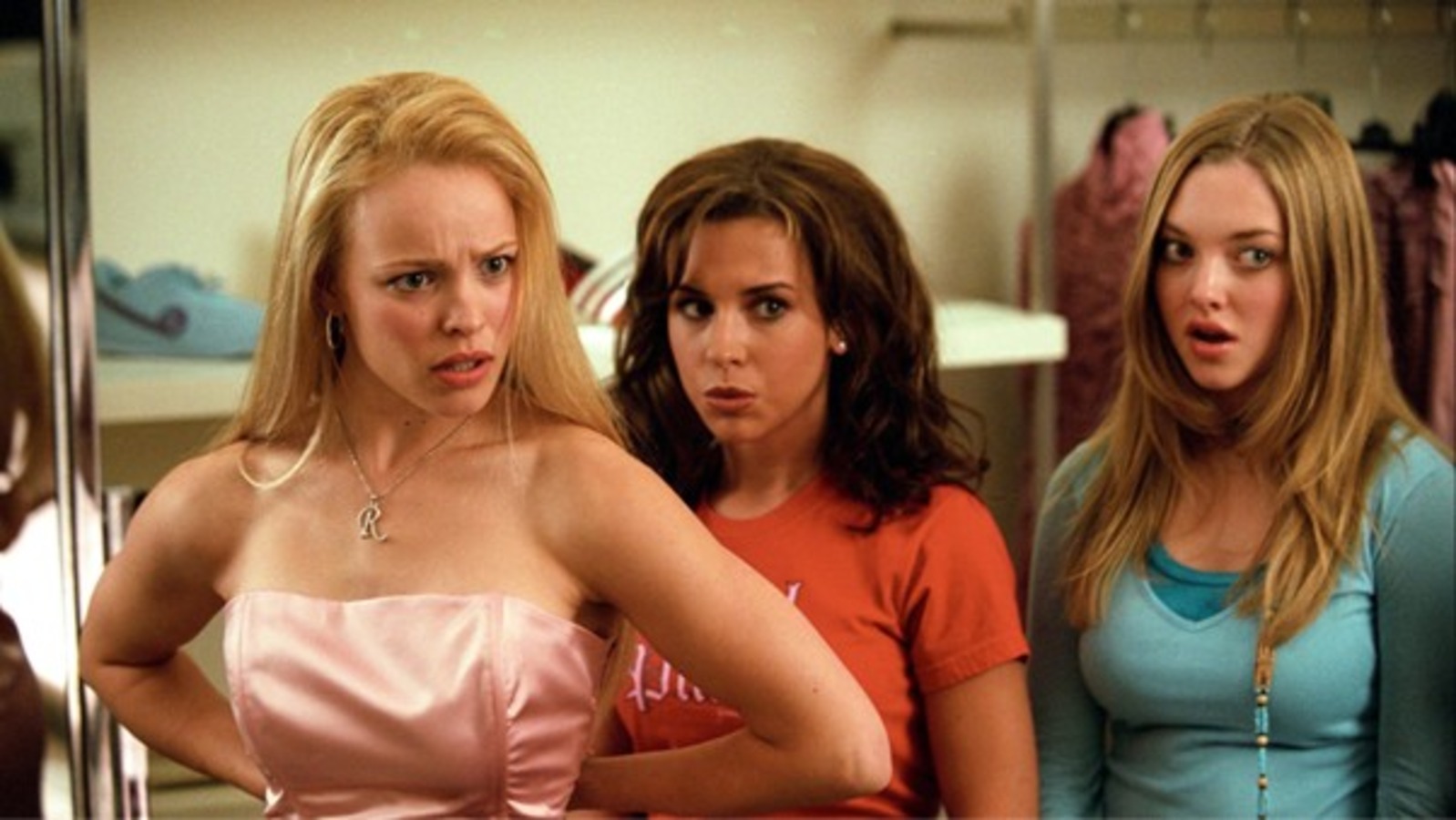
A recent rewatch of Mean Girls got me thinking about a particular scene.
Regina, Gretchen, and Karen stand in front of a mirror, methodically picking their appearances apart; their hips, calves, shoulders, open pores. It’s almost ritualistic. Then they turn to Cady, the new girl who has just transferred from homeschooling in Africa and has never experienced this kind of social performance before. She has no script for this moment. So she does what anyone trying to belong would do; she invents a flaw. She points out her breath is odd in the morning, just to fit in.
I keep coming back to it because it captures something I see often. The way we learn to be at war with our bodies. Not through one big moment, but through many small ones- comments we half-hear, photos we lingered on, things we absorbed without noticing.
And somewhere along the way, these borrowed judgements start to feel like our own thoughts.
What Is Body Image Pressure, Really?
Two people with identical bodies can have completely opposite relationships with them. One feels at home. The other is at war.
| Body Image | Body Image Pressure |
|---|---|
| Internal picture of how you see and feel about your body | External standards projected onto your body and how it looks |
| Personal and internal | Shaped repeatedly by culture, media, family, peers |
| Can be neutral or positive | Almost always critical and comparative |
The difference isn’t the body- it’s everything projected onto it. And most of us absorb these projections so gradually that we forget they were never ours to begin with. And most of us, like Cady walking into that bedroom for the first time, absorb these projections so gradually that we forget they were never ours to begin with.
Where Does It Come From?
Nobody is born criticising their reflection. It is built over time through repeated exposure to what the world says bodies should look like.
These messages come from:
- Family and early caregivers, through comments about weight, food, or appearance
- Social media and advertising, through curated and idealised bodies, research consistently shows that media exposure is one of the strongest predictors of body dissatisfaction, particularly in adolescents and young adults (Grabe, Ward & Hyde, 2008).
- Peers and social groups, through comparison and subtle pressure to conform
- Cultural standards that define what is acceptable or attractive
- Internalised beliefs that now sound like your own voice
Think of it like the Burn Book from Mean Girls, the poison-filled notebook of cruel observations about other girls. Except the version that grows inside us is worse, over time it becomes more precise, more personalised, fluent in exactly the social rules we live inside. The external critic becomes internal, and we stop noticing it came from somewhere outside us at all.
“I’m Just Having a Bad Body Day” or Is It More?
A bad body day is usually tied to something specific and passes. Body image pressure lingers, and ultimately shapes behaviour.
You might notice:
- Avoiding mirrors or checking them repeatedly
- Changing outfits multiple times
- Skipping plans because you do not feel okay in your body
- Feeling like your worth shifts with how you look
When Cady starts changing how she eats, dresses, and behaves just to belong, it is no longer about appearance but about her entire identity. If thoughts about your body are shaping your choices or your sense of self, it is worth paying attention to.
Why Fixing Your Body Never Fixes the Feeling
The most persistent myth is that body image pressure is visible: that it lives in certain body sizes or certain kinds of people. But Regina George, conventionally beautiful and socially powerful, is one of the most body-preoccupied characters in the film. What nobody sees is the loop underneath:
I look wrong → I need to fix it → I try → brief relief → I look wrong again
Regina wearing a corset to her own mother’s party isn’t played as sad in the film, but it is. That’s what the loop looks like dressed up. And it doesn’t break with a new diet or routine, because it was never really about the body.
What Actually Helps & When to Seek Therapy for Body Image Issues?
Real change here is slower and more honest than motivation or affirmations.
It starts with tracing the origin – whose voice is actually speaking when you criticise yourself? Then questioning the narrative, not with forced positivity, but genuinely asking: was this ever actually true? And sitting with what’s underneath: the shame, the fear of rejection, the need to be loved as you are. By the end of Mean Girls, Cady doesn’t win by becoming more beautiful. She wins by opting out of the system entirely.
If thoughts about your body feel relentless or are making decisions on your behalf, that is not something to push through alone. A trauma-informed therapist creates space to trace where these beliefs began. Approaches like CBT, narrative, and somatic therapy work not just with the thoughts, but with where shame is held in the body – because body image pressure often lives there too.
You don’t have to be in crisis to begin. The earlier you tend to it, the less of your life it takes quietly in the background.
Book a session with a therapist at Mind Voyage: Match with a therapist | Mind Voyage
We started with a scene of three girls at a mirror, learning to find fault with themselves. And a fourth, learning to do the same, just to belong somewhere.
Most of us have a version of that moment. A room we walked into, a comment we heard, a standard we quietly adopted and forgot we had a choice about.
What would you see if you looked at yourself without the weight of everyone else’s gaze?